## Situation
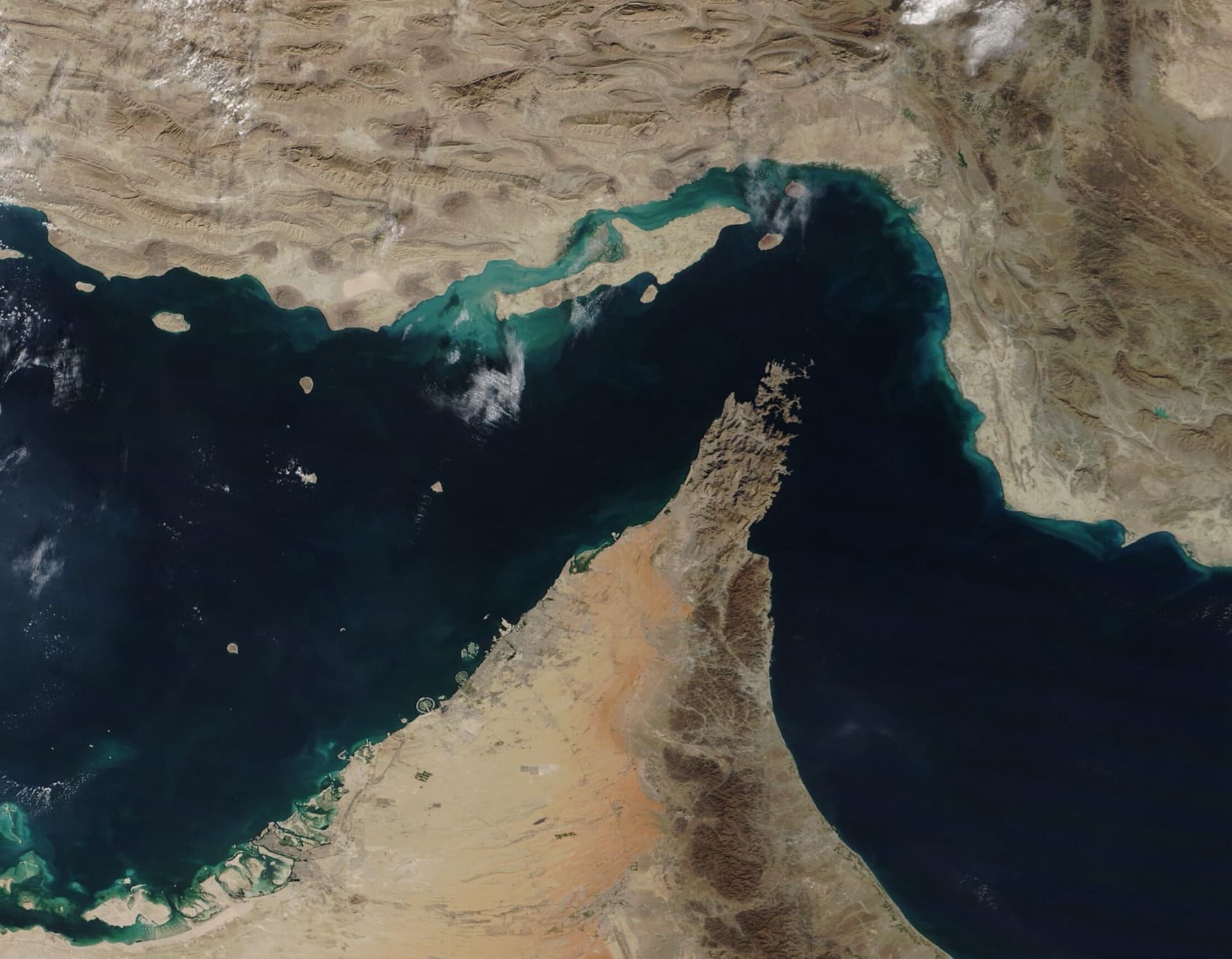
The September 18 picture is dominated by connected pressure on the region’s maritime routes and security frameworks. Iran says it struck the Togo-flagged tanker Trend while it attempted to transit the Strait of Hormuz. The Associated Press had not independently confirmed the strike at publication time. In Yemen, the Houthis are consolidating their recent Red Sea gains and increasing pressure toward oil-rich Marib, while shipping through Bab al-Mandeb continues at reduced and uneven levels rather than being fully closed.
## Lebanon
On September 17, Lebanese President Joseph Aoun met French President Emmanuel Macron and Jordan’s King Abdullah II in Paris. The talks focused on southern Lebanon, support for the Lebanese army and what follows the expiration of UNIFIL’s mandate. The June framework for Israeli withdrawal, Lebanese army deployment and Hezbollah disarmament remains stalled. The diplomatic question is now less whether a framework exists than whether Lebanon has the resources and political capacity to implement it without an internal confrontation.
## Iran and Hormuz
Iran’s Revolutionary Guard says it struck the tanker Trend over what it called an unauthorized transit. That is a claimed Iranian attack and should remain attributed until maritime authorities, the ship operator or other independent evidence confirm the incident and damage. The claim nevertheless shows that the strait remains contested and that Tehran continues to assert a right to control passage.
Iran also staged its largest government-organized rally since the war began, with officials claiming hundreds of thousands of participants and large numbers registered for basic military training. Those attendance and registration figures are state claims, not independently audited counts.
## Yemen and Bab al-Mandeb
The Houthis’ capture of Mokha, Dhubab and Mayun/Perim has shifted the western Yemen front. By September 18, AP reported that Houthi forces were looking east toward Marib after taking the Red Sea coast. The strategic consequence is greater exposure around Bab al-Mandeb and Saudi export routes. Territorial control is not the same as a complete maritime blockade, and the site continues to distinguish those claims.
## Gaza
A building previously damaged by Israeli strikes collapsed in Gaza City on September 16, killing 21 people according to Gaza health authorities. AP reported that the structure was already known to be unstable and that families were living there because of a severe shelter shortage. The event is a humanitarian and reconstruction issue rather than a new military strike. Israel says reconstruction remains conditioned on Hamas disarmament and that shelter materials are facilitated subject to security restrictions; aid groups say essential materials remain insufficient.
## Israeli innovation
On September 16, the Israel Innovation Authority selected Augmenta Health Incubator and Intelligent Machine Labs – Foundry for new venture-studio incubators in Human-Machine Interface and Physical AI. The authority says it will invest NIS 80 million over five years, alongside additional private and public investment. This is a funding and company-building program, not evidence yet of commercial or scientific outcomes.
## Watch next
Watch for independent confirmation of the Trend incident, measured vessel traffic through Hormuz and Bab al-Mandeb, movement on the Lebanese army donor track and post-UNIFIL arrangements, any Houthi push toward Marib, and implementation milestones for the new Israeli deep-tech incubators.